Anti-Glare: When Display Readability Meets Real-World Conditions

Anti-Glare: When Display Readability Meets Real-World Conditions

When Light Becomes Part of the Challenge

Direct sunlight, reflections and poor viewing angles can turn a fully functional display into an unreadable interface in just a few seconds.

For industrial displays used in outdoor and semi-outdoor environments, readability cannot depend on ideal lighting conditions. Ticketing machines, self-service systems and outdoor kiosks must remain usable even when the surrounding light changes significantly.

This is where Anti-Glare technology comes into play.

Controlling Reflections, Not Blocking Light

Anti-Glare is a surface treatment applied to the glass that changes the way light interacts with the display.

Instead of producing a mirror-like reflection, the treatment diffuses incoming light across microscopic surface structures, significantly reducing glare.

The principle is simple:

You do not block the light. You control the reflections.

This distinction is important because simply increasing display brightness is not always the answer. In certain conditions, higher brightness can even amplify reflections and make the display harder to read.

Anti-Glare addresses the problem at its source by managing how ambient light is reflected from the display surface.

From Optical Treatment to Better Usability

The benefits become particularly relevant in applications where users interact directly with the display in changing environmental conditions.

By reducing reflections, Anti-Glare can contribute to:

  • improved readability in bright environments;
  • more stable visual performance under outdoor lighting conditions;
  • reduced visual fatigue for the user;
  • more consistent usability across different environments.

The result is a display that is better prepared to deal with the conditions in which it will actually be used.

A Design Choice Within the Complete System

At KF, Anti-Glare is not considered simply an optical option to be added to a display.

It is part of an engineering approach in which different technologies work together to achieve the required performance.

Depending on the application, Anti-Glare can be combined with high-brightness displays and intelligent ambient light management, creating a system designed to respond dynamically to its surroundings.

Because outdoor environments cannot always be controlled.

The display can be.

And engineering that response is what makes the difference between a display that simply works and one that remains readable when real-world conditions become challenging.

Industrial Monitors and Extreme Conditions: When a Product Has to Be Ready for the Real World

Industrial Monitors and Extreme Conditions: When a Product Has to Be Ready for the Real World

An Industrial Monitor Isn’t Designed for Ideal Conditions

A monitor designed for industrial applications cannot be evaluated solely in a controlled environment and under the most favourable conditions.

It needs to be ready to operate when conditions change: outdoors, inside self-service systems, in ticketing machines or vending applications.

That is why, at Key Future, monitor performance is verified through climatic chamber testing, subjecting solutions to particularly demanding environmental conditions.

From -30°C to +85°C

During testing, temperature conditions are pushed to the limits required by the application, with values ranging from -30°C to +85°C.

The purpose is not simply to check whether the display continues to turn on.

The goal is to assess the overall behaviour of the system and verify that its key functionalities remain reliable even under extreme conditions.

What Is Tested?

During the tests, several aspects of the product are monitored, including:

  • display performance at different temperatures;
  • touchscreen responsiveness;
  • brightness management and stability;
  • system operational continuity;
  • behaviour of components subjected to thermal stress.

These tests make it possible to identify potential issues before the product is deployed in the field and to collect valuable data for solution validation.

From Design to Real-World Conditions

The climatic chamber makes it possible to reproduce conditions that a monitor may encounter throughout its lifecycle, accelerating the verification process and enabling the solution’s behaviour to be assessed before real-world deployment.

This is particularly important for products intended for full outdoor applications or environments characterised by significant temperature fluctuations.

For KF, testing means taking the product beyond ideal conditions and verifying how truly ready it is for the environment in which it will operate.

When a Product Has to Prove What It Can Do

Design defines how a product should perform.

Testing allows us to verify how it actually performs.

This is where an industrial monitor stops being simply a design and becomes a solution ready for the real world.

Because reliability isn’t something you claim. It’s something you put to the test.

ISO 9001: Quality as a Working Method at Key Future

ISO 9001: Quality as a Working Method at Key Future

Quality Is Not a Recognition. It Is a Way of Working.

Key Future has been ISO 9001 certified for over 17 years.

An important milestone, but above all, a principle that guides the way KF organises and controls its processes every day.

In the field of custom industrial monitors, where every project may have specific requirements, quality cannot depend on chance or on a single successful outcome.

It must be built through structured, controllable and repeatable processes.

What Does ISO 9001 Mean for KF?

ISO 9001 is the international standard for quality management systems. It is based on an approach focused on process control, customer satisfaction and continuous improvement.

For KF, this approach translates into a structured management of the different stages of its work.

Controlled processes.
Activities are organised according to defined procedures to ensure consistency and continuity.

Traceability.
Information relating to processes and activities is collected and managed, making it possible to maintain control over what happens throughout the production process.

Continuous improvement.
Processes are monitored and analysed to identify opportunities for improvement and progressively make the way of working more efficient.

Quality Also Means Consistency

When developing custom industrial solutions, quality is not only about the appearance or correct functioning of a product at the time of delivery.

It means being able to ensure repeatable performance, long-term stability and reliability, even when the monitor has to operate under particularly demanding conditions.

That is why quality control must accompany the entire process, from design through to production.

A Certification That Lives Every Day

For KF, ISO 9001 is not simply a standard to achieve or a certificate to display.

It is a system that supports the way the company designs, produces, controls and improves its solutions.

Because quality is not something you build just once.

It is applied, measured and improved every day.

WMS: turning the warehouse into a connected system

WMS: turning the warehouse into a connected system

An efficient warehouse starts with data

A modern warehouse is not simply a space for storing and handling components.

It is an environment where every piece of information needs to be available, up to date and connected to business processes.

For Key Future, the digitalisation of logistics is an important factor in making operations more efficient, accurate and controllable. That is why KF uses a WMS – Warehouse Management System, integrated with the other systems supporting business and production management.

From material movement to traceability

The WMS provides continuous visibility into what is happening inside the warehouse, monitoring material flows from inbound to outbound.

The system enables the management of:

  • traceability of inbound and outbound movements;
  • storage locations and stock availability;
  • continuous inventory management;
  • material turnover monitoring.

Every movement therefore contributes to building an up-to-date data foundation, providing greater control over day-to-day operations and supporting operational decision-making.

A warehouse that communicates with the rest of the company

The real value of a WMS emerges when the warehouse does not operate as an isolated environment.

KF’s solution is integrated with the company’s systems, enabling information exchange with ERP and MES and interaction with the technologies used for warehouse automation.

This makes it possible to connect material management with production requirements, creating a more continuous flow of information and reducing the need for manual intervention.

The system also supports real-time operations and can interact with automated solutions for material handling.

Technology that simplifies work

Digitalising the warehouse does not mean adding complexity.

On the contrary, it means using data and integrated systems to make operations easier to manage, improve process visibility and reduce the margin for error.

For KF, the WMS is therefore part of a broader approach to the digitalisation of production and logistics processes, in which hardware, software and automation work together.

Because a truly smart warehouse is not the one that collects the most data.

It is the one that turns data into control, efficiency and operational value.

Key Future at Embedded World 2026: Technology, Partnerships and New Opportunities

Key Future at Embedded World 2026: Technology, Partnerships and New Opportunities

Key Future At Embedded World 2026: Technology, Partnerships And New Opportunities – Immagine 1 Di 5Key Future At Embedded World 2026: Technology, Partnerships And New Opportunities – Immagine 2 Di 5Key Future At Embedded World 2026: Technology, Partnerships And New Opportunities – Immagine 3 Di 5Key Future At Embedded World 2026: Technology, Partnerships And New Opportunities – Immagine 4 Di 5Key Future At Embedded World 2026: Technology, Partnerships And New Opportunities – Immagine 5 Di 5

Three Days of Technology. And Above All, the Future.

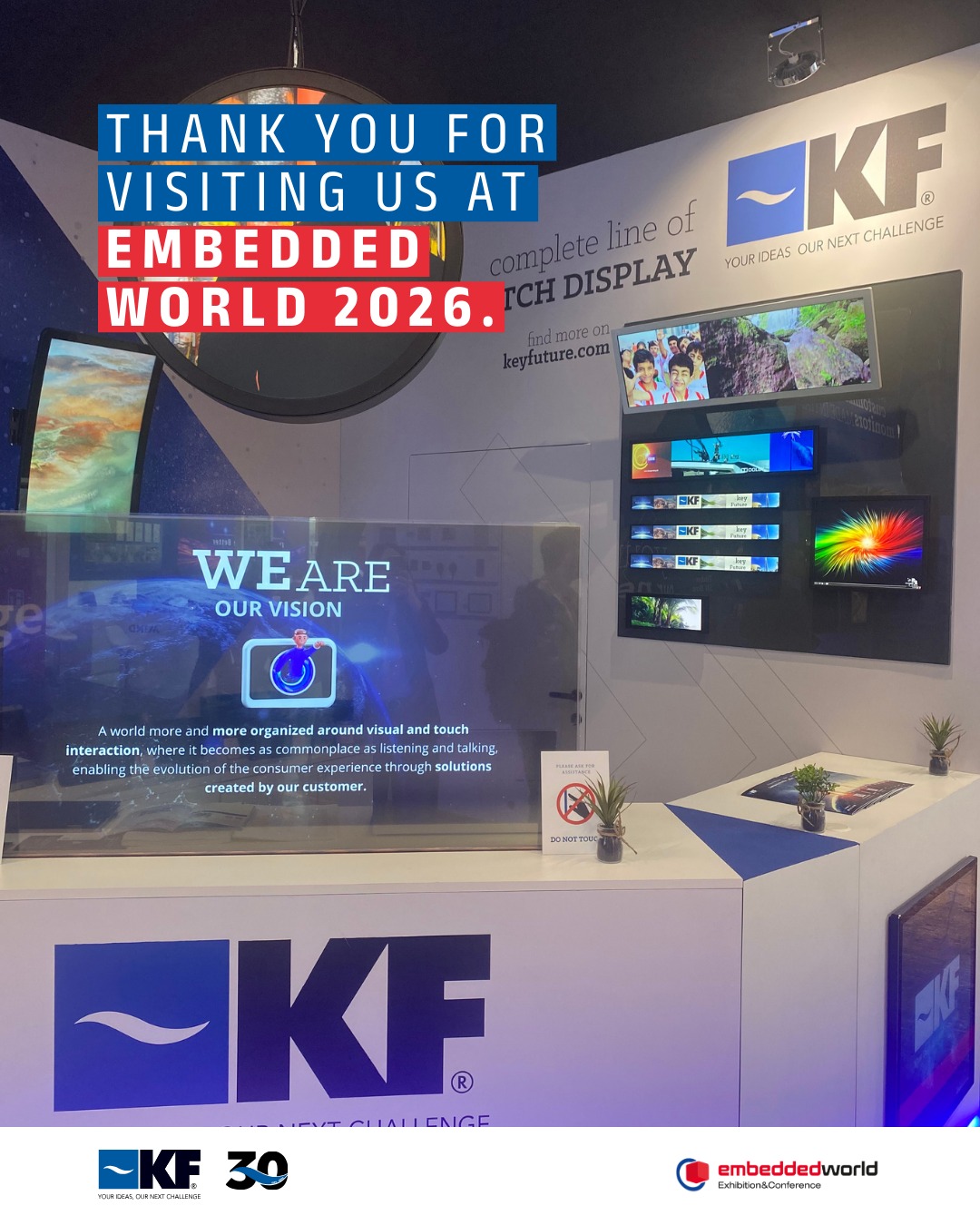
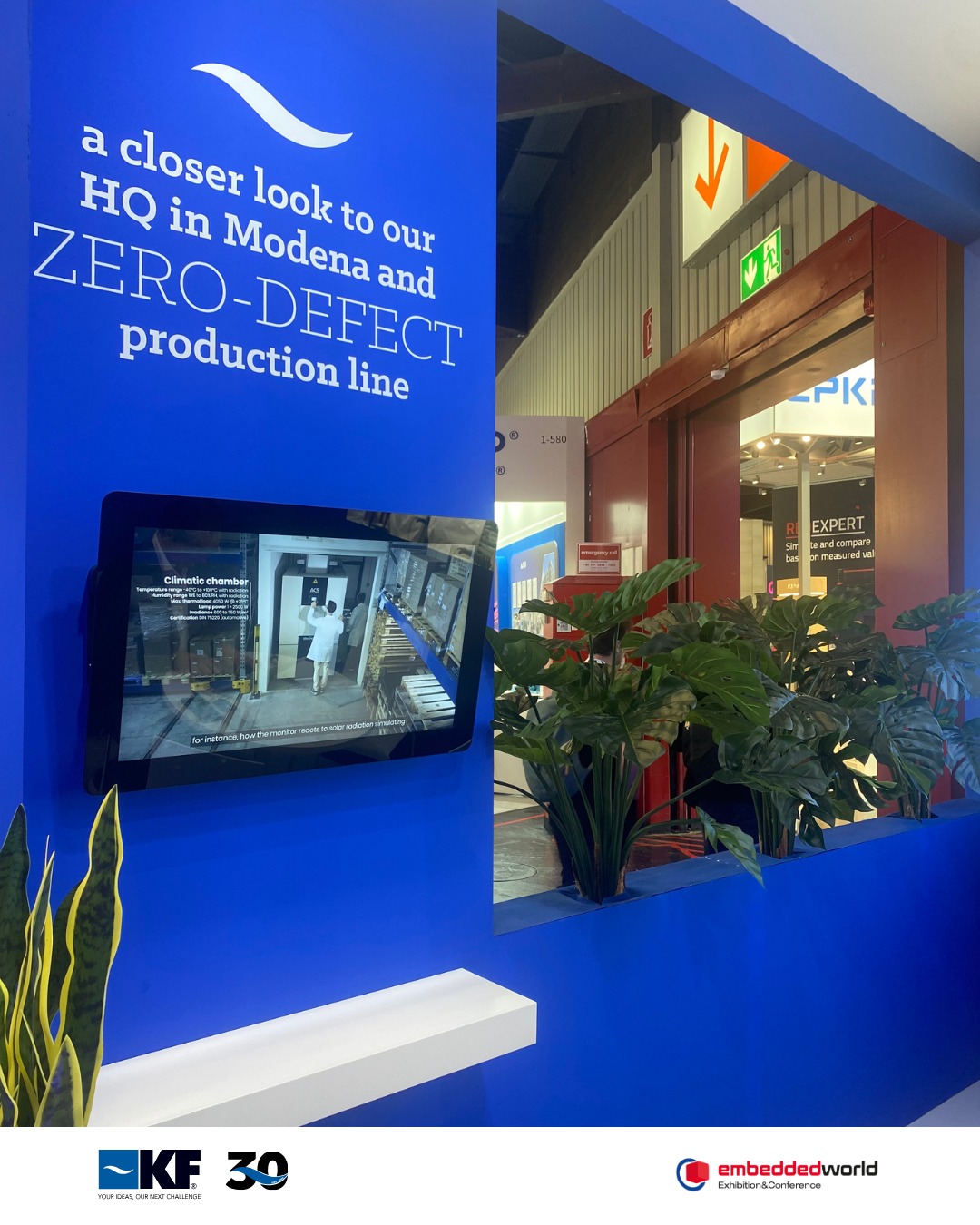
Key Future’s participation in Embedded World Exhibition&Conference 2026 in Nuremberg was an important opportunity to meet customers, partners and professionals from across the embedded technology ecosystem.

It was a chance for direct exchange with a constantly evolving market, where increasingly integrated technologies require solutions capable of adapting to complex systems and applications.

KF Solutions in the Spotlight

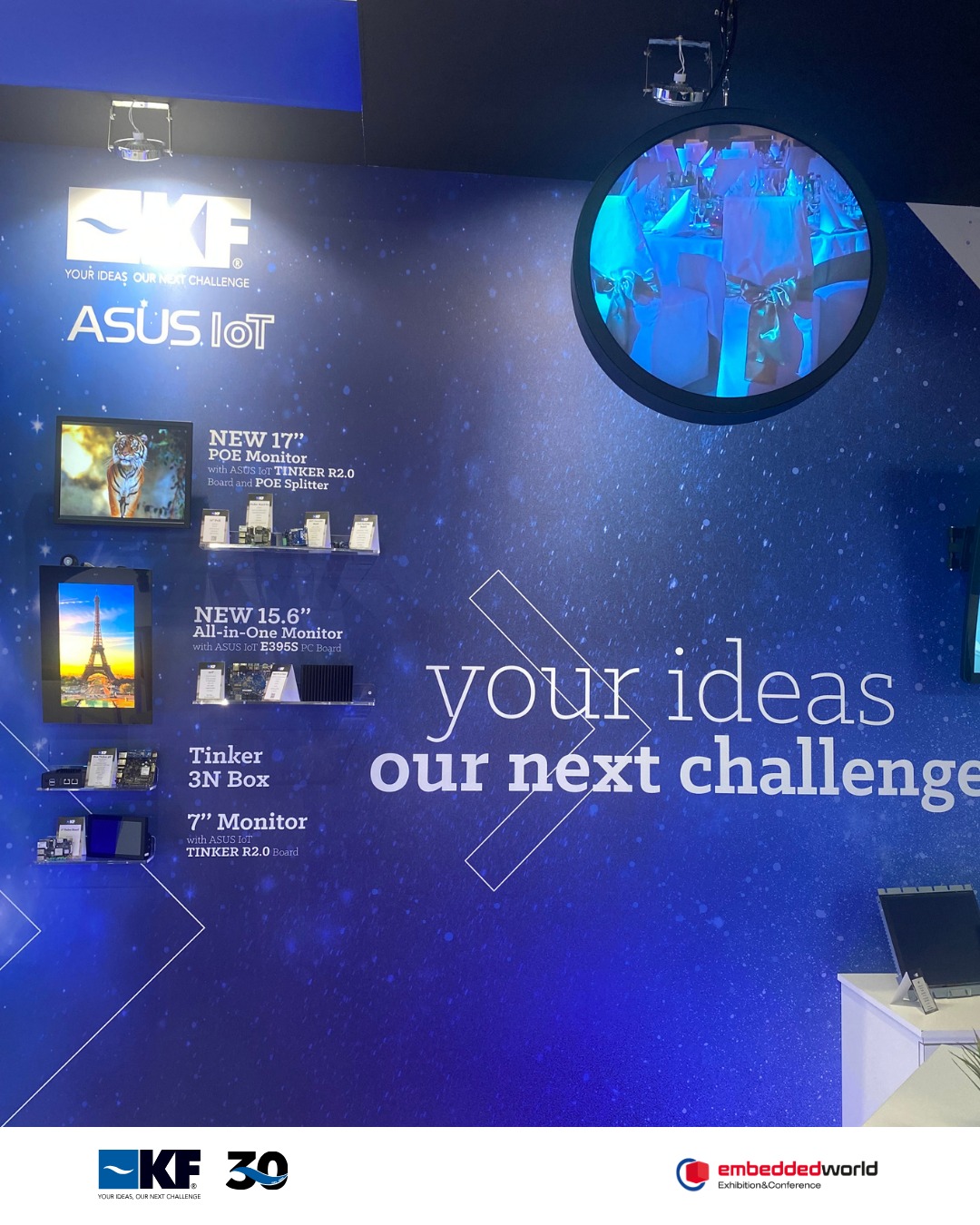
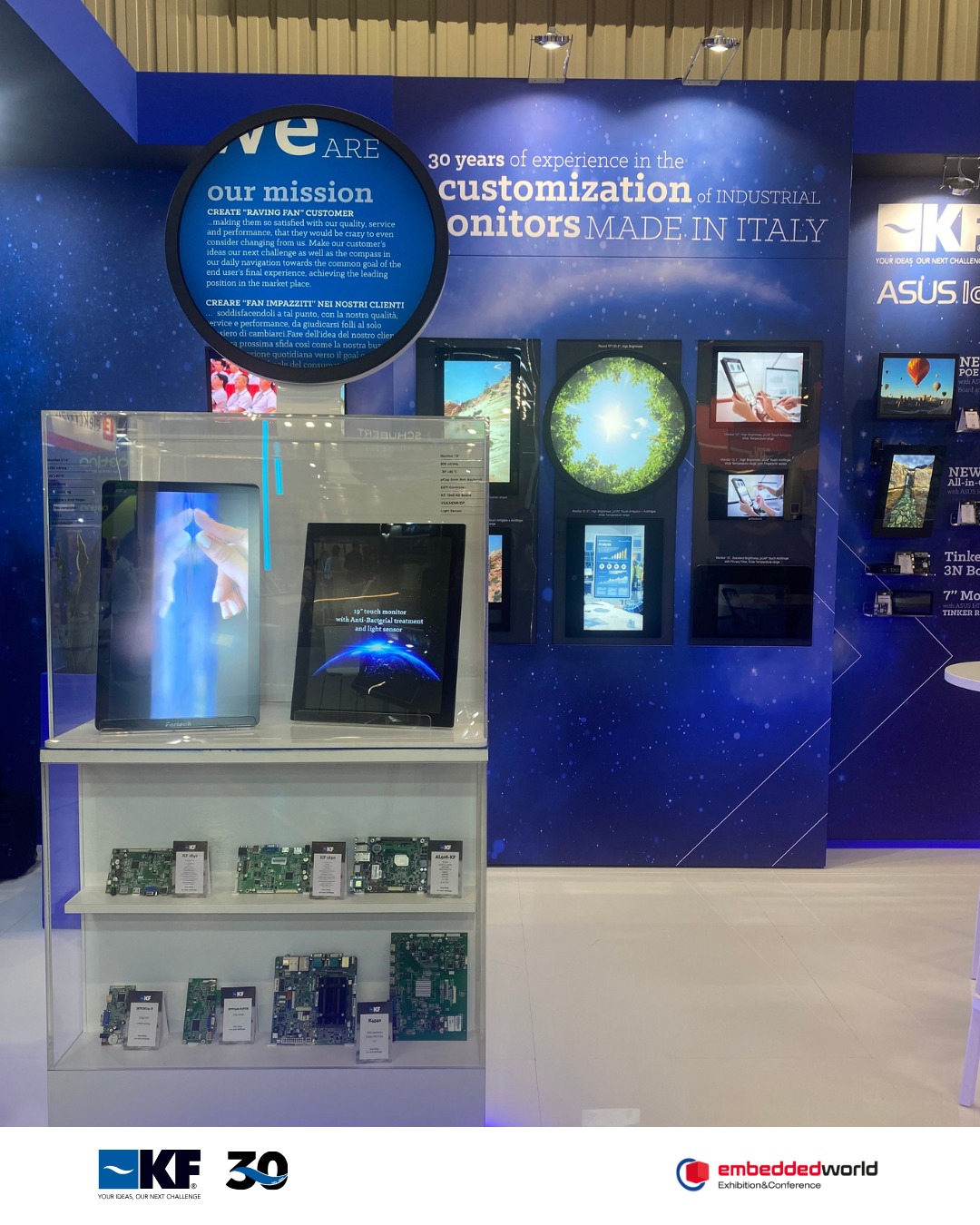
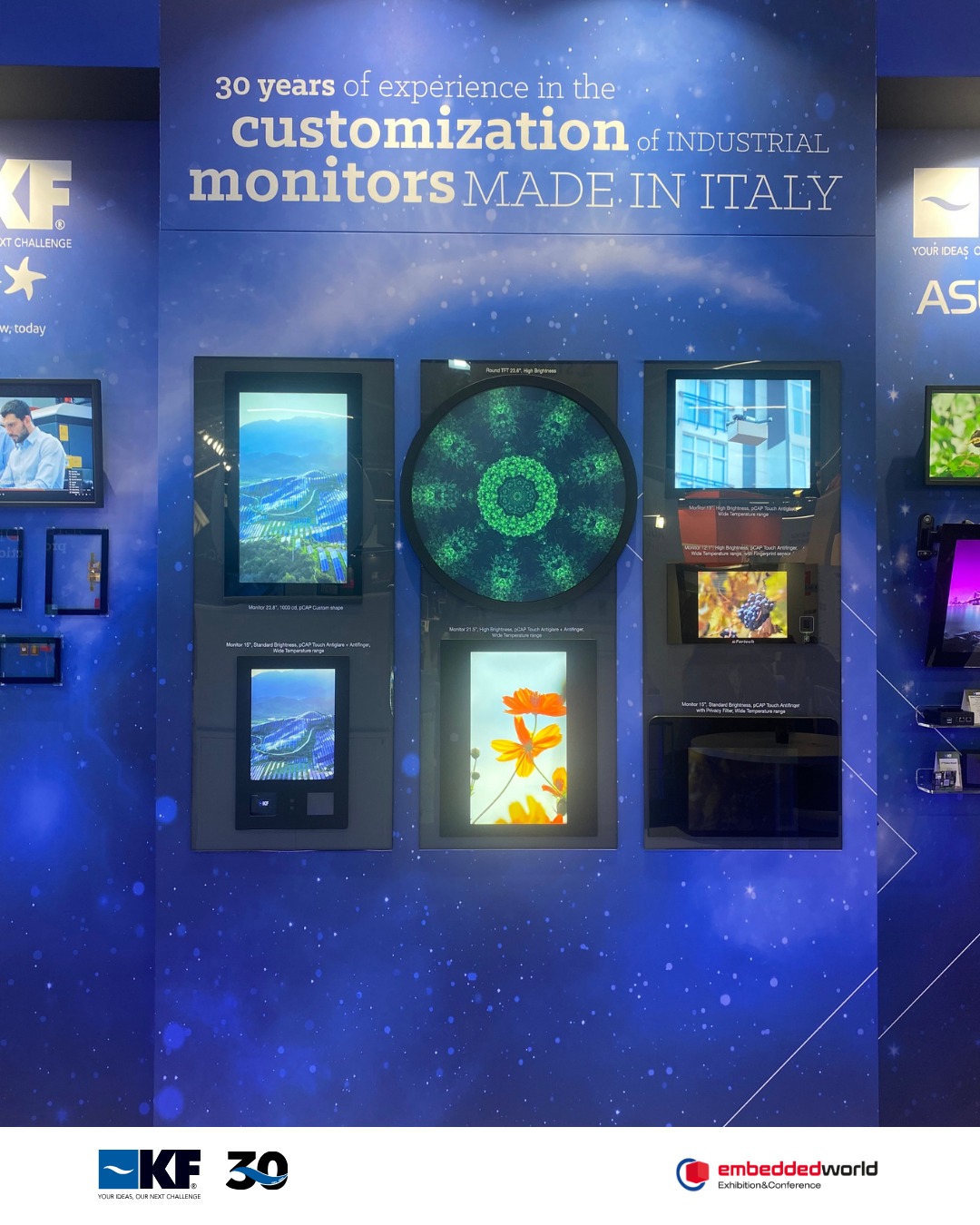
During the event, KF presented a selection of its custom solutions for industrial applications, from industrial monitors to smart platforms designed to integrate into embedded systems and industrial applications.

The focus was not solely on the product itself, but on the ability to develop customised solutions based on the specific requirements of each application.

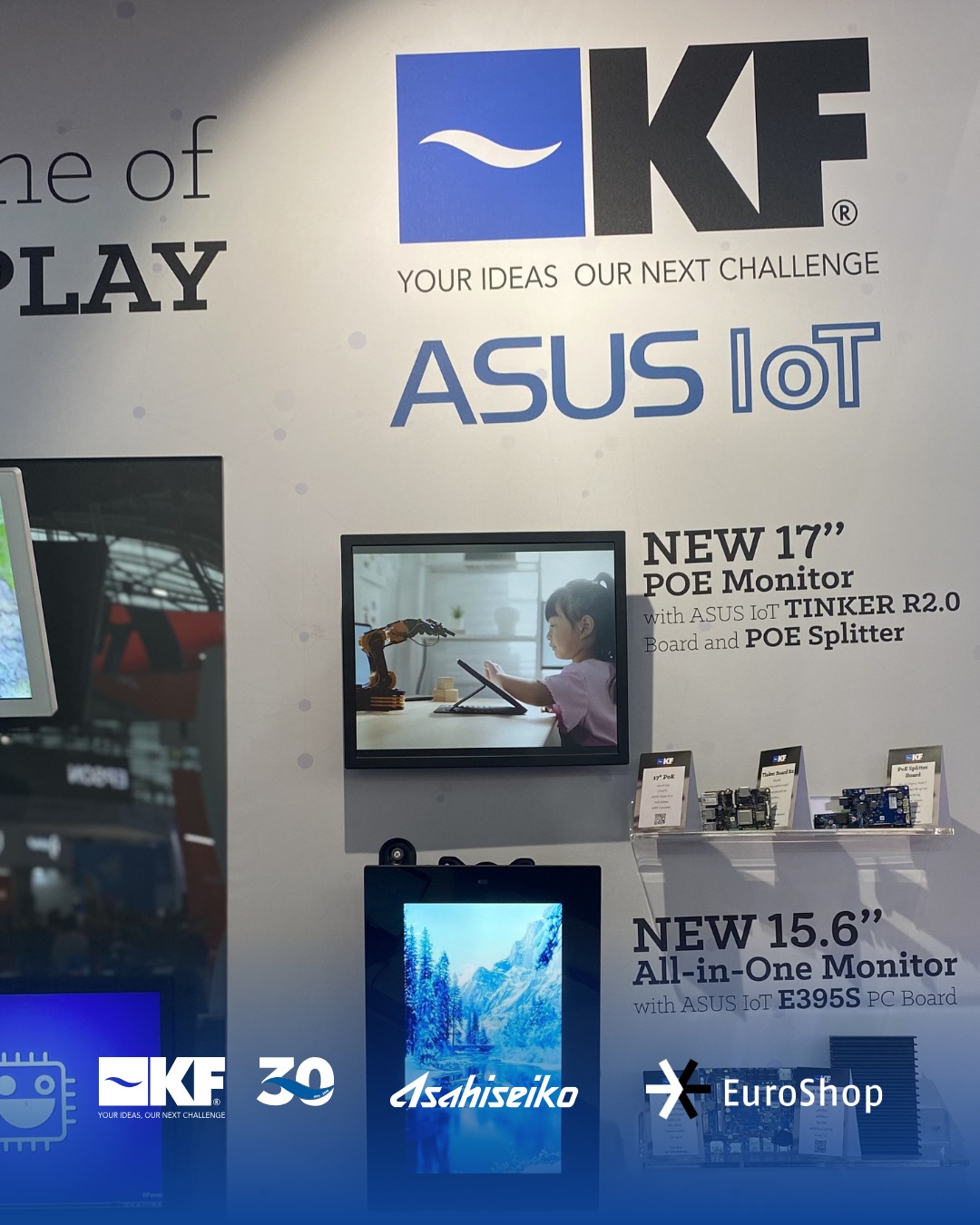
Among the technologies showcased at the stand were the ASUS display wall, highlighting KF’s role as a System Integrator, and the TPK wall, dedicated to the technologies of a new partner with whom the company is expanding its presence in the industrial market.

An Event That Goes Beyond the Booth

For KF, events such as Embedded World are much more than a showcase for technology.

They are opportunities to listen to the market, discuss emerging application requirements and build relationships that can evolve into new projects and partnerships.

The meetings in Nuremberg provided an opportunity to exchange ideas, share expertise and explore new opportunities with companies operating across different areas of industry.

Thank You to Everyone Who Met KF

To all the customers, partners and professionals who stopped by our booth, shared an idea, asked a question or simply took the time to get to know us: thank you.

Exchange and dialogue are what allow technology to evolve.

And for Key Future, every meeting is an opportunity to better understand the challenges facing the market and turn them into tailored industrial solutions.

The next project could start with a conversation that began in Nuremberg.

Key Future at EuroShop 2026: Technology and Integration for the Retail of Tomorrow

Key Future at EuroShop 2026: Technology and Integration for the Retail of Tomorrow

Key Future At Euroshop 2026: Technology And Integration For The Retail Of Tomorrow – Immagine 1 Di 5Key Future At Euroshop 2026: Technology And Integration For The Retail Of Tomorrow – Immagine 2 Di 5Key Future At Euroshop 2026: Technology And Integration For The Retail Of Tomorrow – Immagine 3 Di 5Key Future At Euroshop 2026: Technology And Integration For The Retail Of Tomorrow – Immagine 4 Di 5Key Future At Euroshop 2026: Technology And Integration For The Retail Of Tomorrow – Immagine 5 Di 5

When Technologies Work Together, a Complete Solution Takes Shape

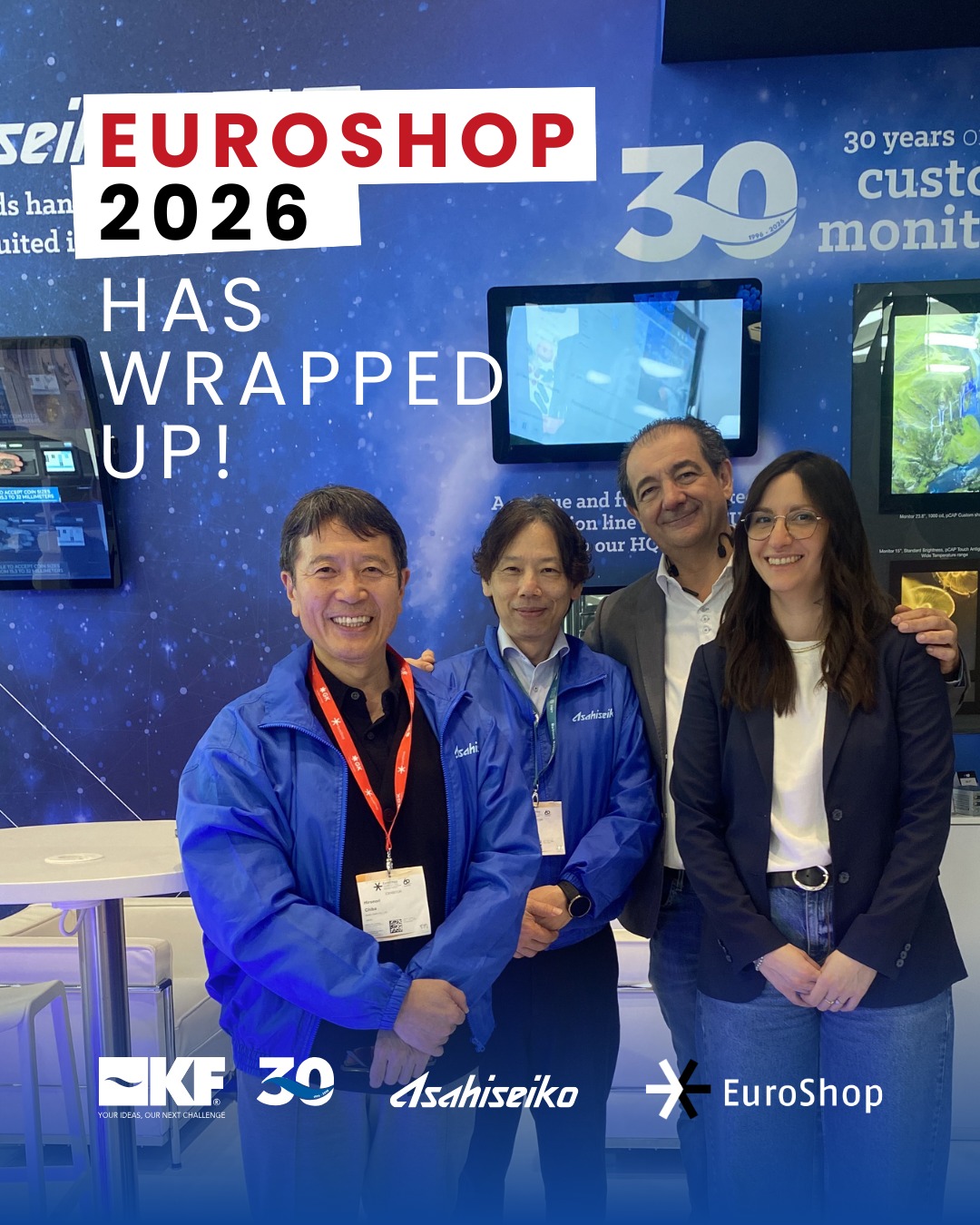
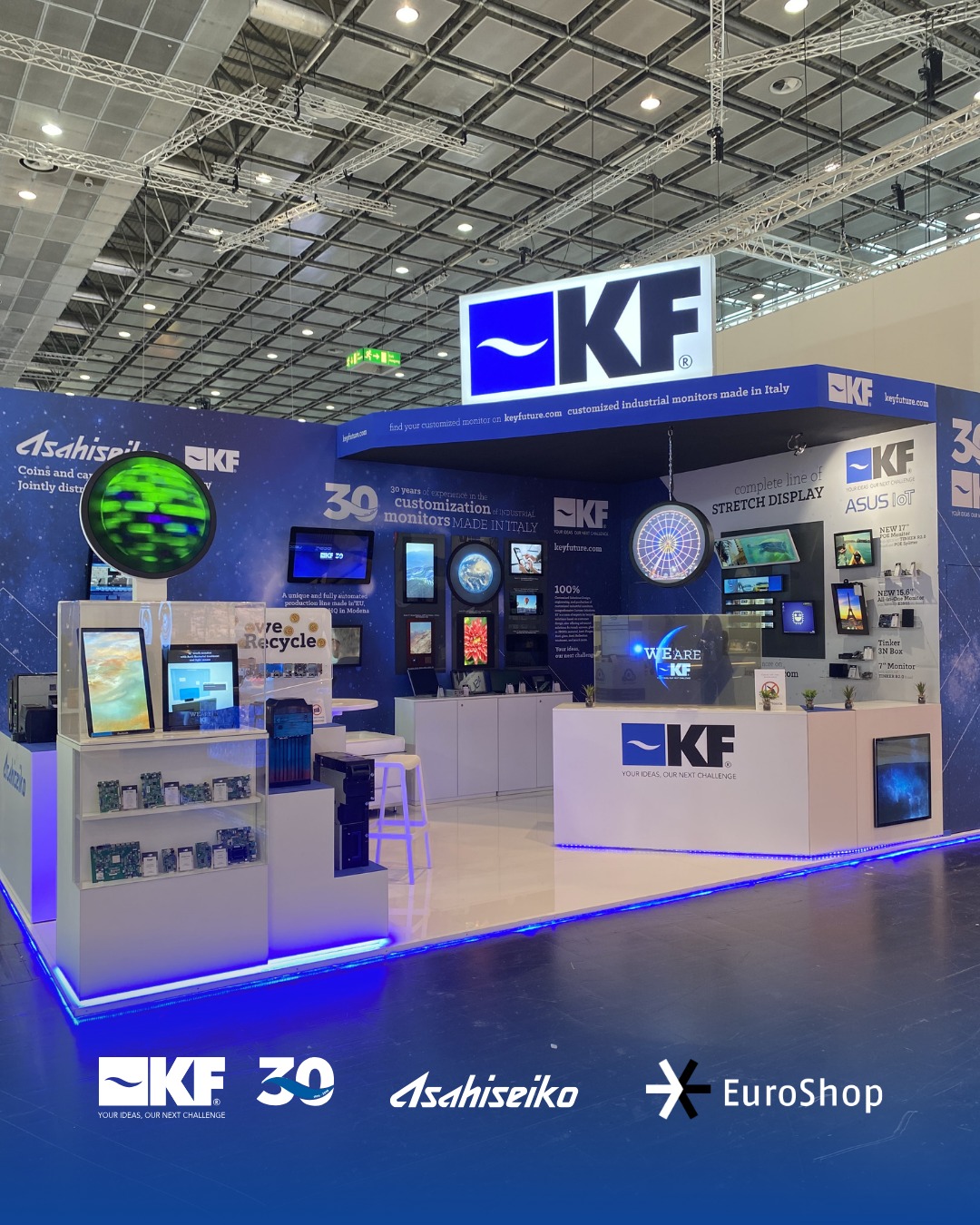
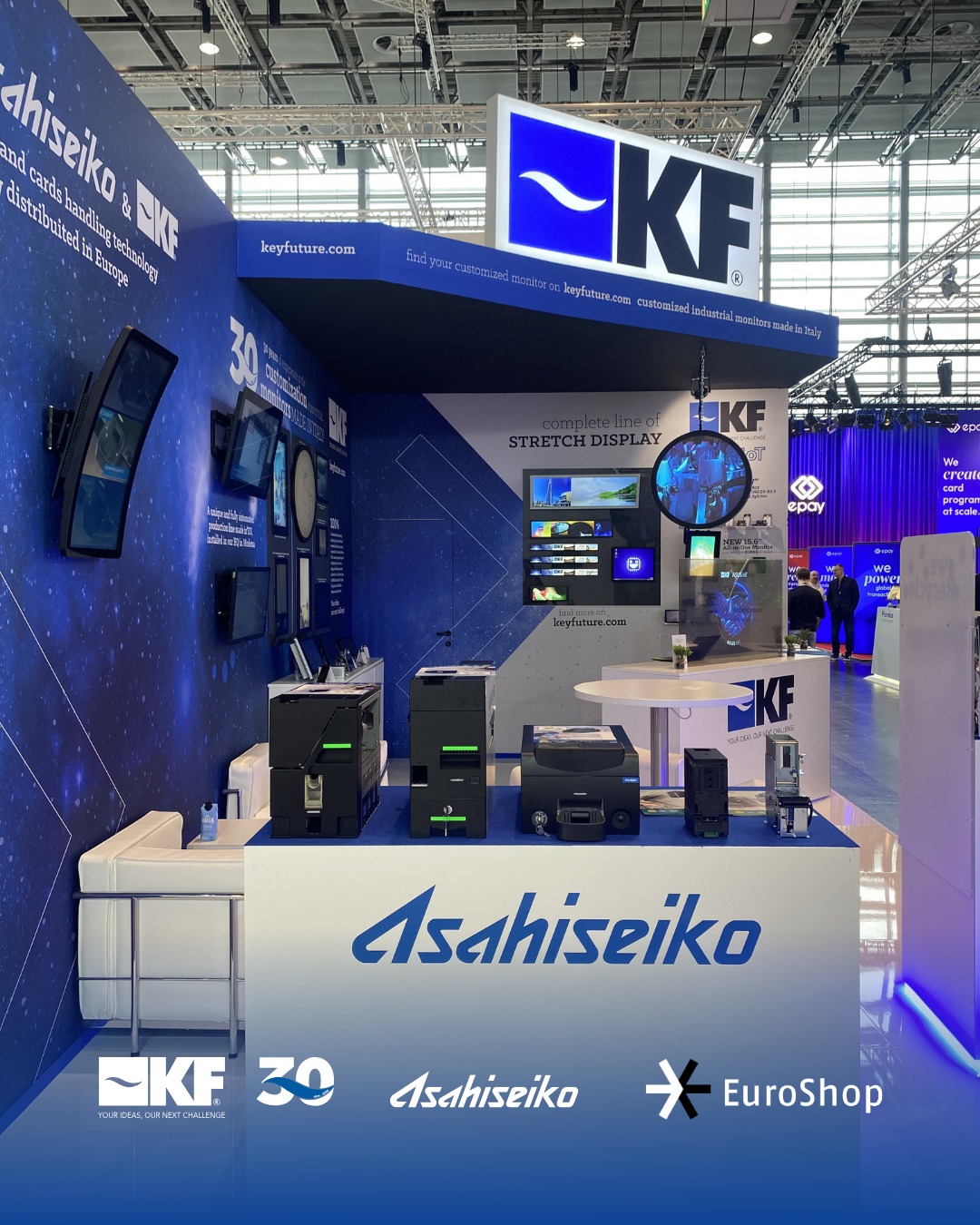
EuroShop 2026 in Düsseldorf was an important opportunity for Key Future to meet directly with customers, partners and retail professionals, and to exchange ideas on the needs of a constantly evolving industry.

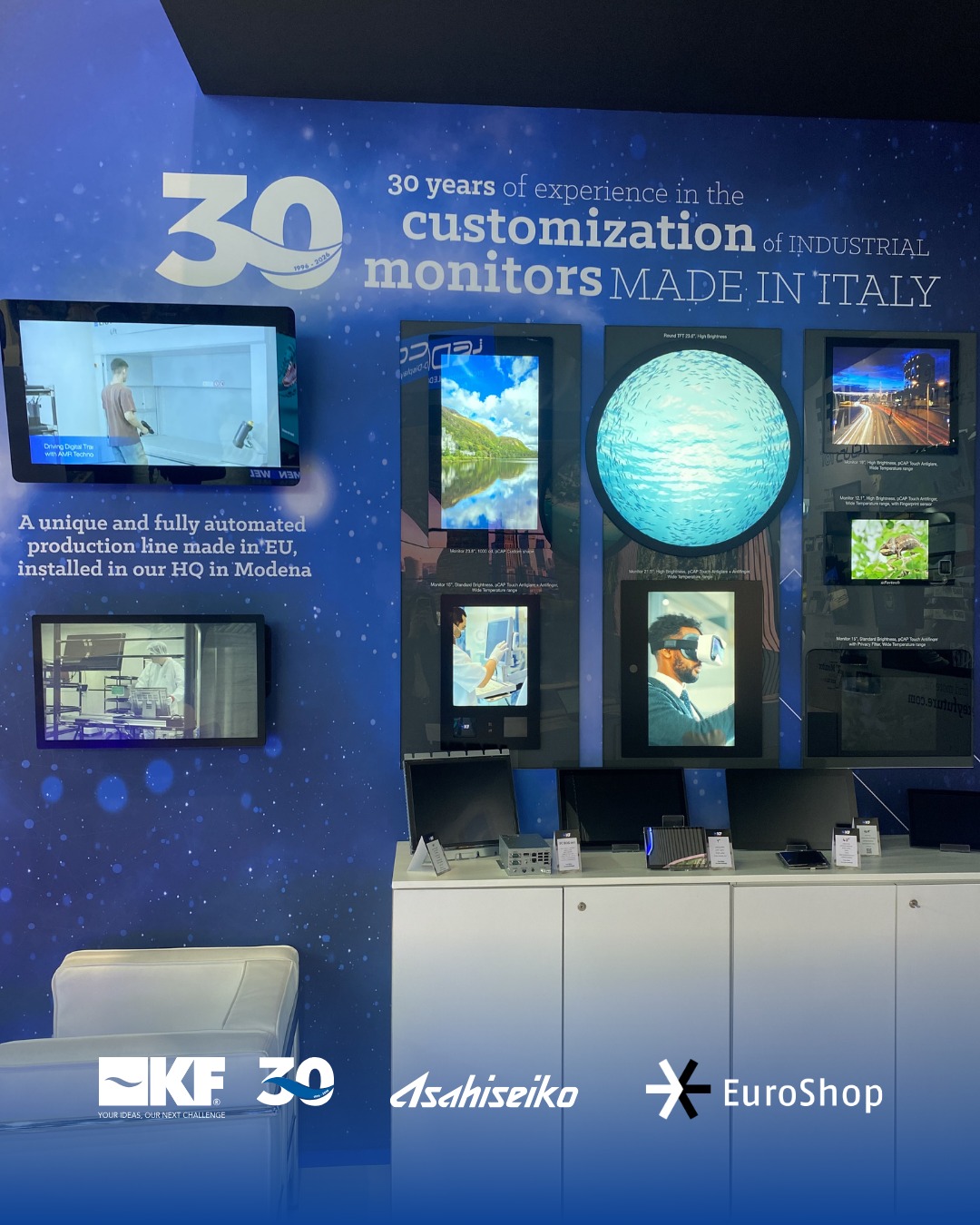
During the event, KF showcased its solutions for the retail and self-service sectors, from custom industrial monitors to integrated systems for kiosks, self-service solutions and digital signage.

An experience that brought more than just products to the trade fair: it showcased expertise and integration capabilities.

From Industrial Monitors to Complete Solutions

One of the key aspects of KF’s participation at EuroShop was its collaboration with Asahi Seiko.

The integration of Asahi Seiko’s precision mechanical components with KF-developed monitors demonstrates how complementary technologies can work together to create complete, reliable systems designed around specific application requirements.

This approach is particularly relevant in the retail sector, where kiosks, self-service systems and payment devices need to combine functionality, reliability and ease of interaction.

Custom Technology for Retail Requirements

Retail applications require increasingly flexible solutions.

Dimensions, interfaces, operating conditions and interaction methods can vary significantly from one project to another.

This is precisely where KF’s ability to develop custom solutions comes into play, adapting its industrial monitors to the specific requirements of the systems in which they are integrated.

The goal is not to offer a standard solution, but to find the configuration that best fits each application.

The Value of Exchange

An international trade fair such as EuroShop is also an opportunity to listen directly to the market.

Conversations with customers and professionals provide valuable insights into the challenges reshaping the retail industry and help identify new opportunities for collaboration.

For KF, every exchange is part of the innovation process: understanding real-world requirements means being able to develop increasingly targeted solutions.

Thank You to Everyone Who Visited Us

A big thank you to everyone who visited our stand, shared ideas and took the time to connect with the KF team.

And for those who didn’t have the chance to meet us in Düsseldorf, the conversation continues.

From customer requirements to the right solution: we are ready to design the next system together.

Smart Robot: When Technology Supports Production

Smart Robot: When Technology Supports Production

More Than Automation: Assistance

How can an assembly process be made more precise, safe and controllable without taking people out of the equation?

At Key Future, part of the answer lies in Smart Robot technology, integrated into the assembly stations used for industrial monitors and custom electronic devices.

The goal is not to replace the operator, but to provide the tools needed to work more easily, accurately and consciously.

A Workstation That Guides the Operator

Each workstation becomes a genuine visual guidance system.

Projectors and cameras assist the operator throughout the different stages of assembly, displaying images and instructions directly in the work area while monitoring operations in real time.

The system can also recognise the operator’s movements through the red glove worn during activities, checking that each step is performed correctly.

Technology therefore becomes a practical support for everyday work, reducing the risk of errors and making operations more intuitive.

Every Operation Can Be Verified

Control is not limited to the sequence of activities.

The tools used at the workstation are also integrated into the system. For example, electric screwdrivers transmit information on torque and position, making it possible to verify that each operation has been carried out according to the required parameters.

In the event of an error, the process can be stopped, preventing the operator from moving on to the next stage.

This approach helps build a zero-defect process, in which every operation is verified before the next one begins.

From Individual Workstations to Complete Traceability

Everything that happens during assembly can be traced.

Component serial numbers, production progress and operation times are collected and managed through the MES, integrated with the company’s ERP and the WMS used for warehouse management.

The result is a complete view of the production process, with data that is available, connected and traceable.

Technology at the Service of People

In this model, automation does not mean eliminating the human contribution.

It means making work more supported, measurable and safe, putting technology at the service of operators’ skills and expertise.

For KF, this means designing processes in which precision, traceability and quality go hand in hand with ergonomics and a focus on people.

Because a true Smart Factory is not the one where more robots are at work.

It is the one where people and technology work better together.

Cleanroom: When the Production Environment Becomes Part of Quality

Cleanroom: When the Production Environment Becomes Part of Quality

Product Quality Starts Long Before the Finished Product

To create increasingly high-performing and reliable products, it is not enough to control the final result.

It is essential to have control over the entire process, including the environment in which each component is assembled.

For this reason, Key Future has invested in a cleanroom assembly line, designed to ensure controlled environmental conditions throughout the production process.

An Environment Designed for Maximum Cleanliness

KF’s cleanroom, developed with the support of Mitec Purely Air Treatment, a company specialising in air treatment and filtration systems for industrial processes, covers an area of 54 m² and is classified as ISO 8 in accordance with the ISO 14644-1 standard.

Within the cleanroom, the air undergoes treatment and decontamination processes that help maintain controlled conditions during assembly operations.

The system manages an airflow of:

  • 5,400 m³/h dedicated to the process;
  • 600 m³/h for air exchange.

The objective is to reduce and control the presence of contaminants in the environment, creating conditions better suited to processes requiring high cleanliness standards.

Technology and Process Control

The cleanroom is not an environment isolated from the rest of the production facility.

The assembly line integrates the same control systems and closed-loop technologies used on KF’s main production line.

Operating instructions are also available directly at the workstation, allowing operators to follow the different stages of the process in a structured manner.

This makes it possible to monitor operations, track key production KPIs and ensure greater consistency throughout the assembly process.

From Design to Finished Product

The investment in the cleanroom is part of a broader approach to Total Quality.

For KF, quality is not a check performed at the end of production, but a principle that guides every stage: from design to component selection, from assembly to process control and ultimately to the finished product.

A more controlled production environment therefore means creating better conditions for delivering products that are reliable, high-performing and consistent over time.

Because quality is not simply verified.

It is designed, controlled and built every day.

AMRs and Intralogistics: How KF Optimises Component Transportation

AMRs and Intralogistics: How KF Optimises Component Transportation

When Logistics Becomes Part of Production

In a manufacturing environment, material handling can have a significant impact on process efficiency.

Delivering the right component to the right place at the right time means reducing waiting times, avoiding unnecessary movements and maintaining a continuous production flow.

For this reason, Key Future has introduced a system based on AMR – Autonomous Mobile Robot technology, designed to automate the transportation of components from the warehouse to the production area.

The Challenge: Moving Materials Without Compromising the Environment

The project had to meet specific requirements.

The warehouse is located on the ground floor, while the production area is on the second floor. It was therefore necessary to ensure a fast and continuous transfer of materials between the two areas.

At the same time, the system had to preserve the characteristics of the production environment, avoiding:

  • the presence of magnetic tracks on the floor;
  • an increase in dust levels within the production area;
  • significant modifications to the existing infrastructure.

The Solution: An AMR Integrated into the Production Flow

The system developed by Key Future uses an autonomous mobile robot, integrated with a vertical transportation system via elevator.

The AMR moves materials from the warehouse and automatically transfers them to the production area, using the elevator to connect the different levels of the facility.

The integration was designed to minimise the entry of dust into the production environment while leaving the existing infrastructure unchanged.

Unlike traditional AGV systems, which follow predefined routes, AMRs use navigation systems and sensors to move autonomously through their surroundings and detect and avoid obstacles.

Greater Efficiency Without Overhauling the Facility

The introduction of the AMR makes internal logistics more streamlined by automating part of the material handling process and reducing manual activities.

Key benefits include:

  • no significant impact on the existing infrastructure;
  • greater efficiency in material handling;
  • reduced operating costs associated with internal logistics;
  • autonomous and continuous transportation;
  • intelligent obstacle management;
  • greater safety during material handling operations.

The result is a more efficient and flexible logistics flow, capable of adapting to production requirements without requiring a radical transformation of the facility.

Automation Working Alongside Production

For Key Future, introducing new technologies means finding solutions that can genuinely integrate with existing processes.

The AMR therefore becomes part of an increasingly connected production model, where automation, efficiency and a high-quality working environment can coexist.

Because a Smart Factory is not simply a more automated factory.

It is a factory where every process is designed to work better, more safely and more efficiently.

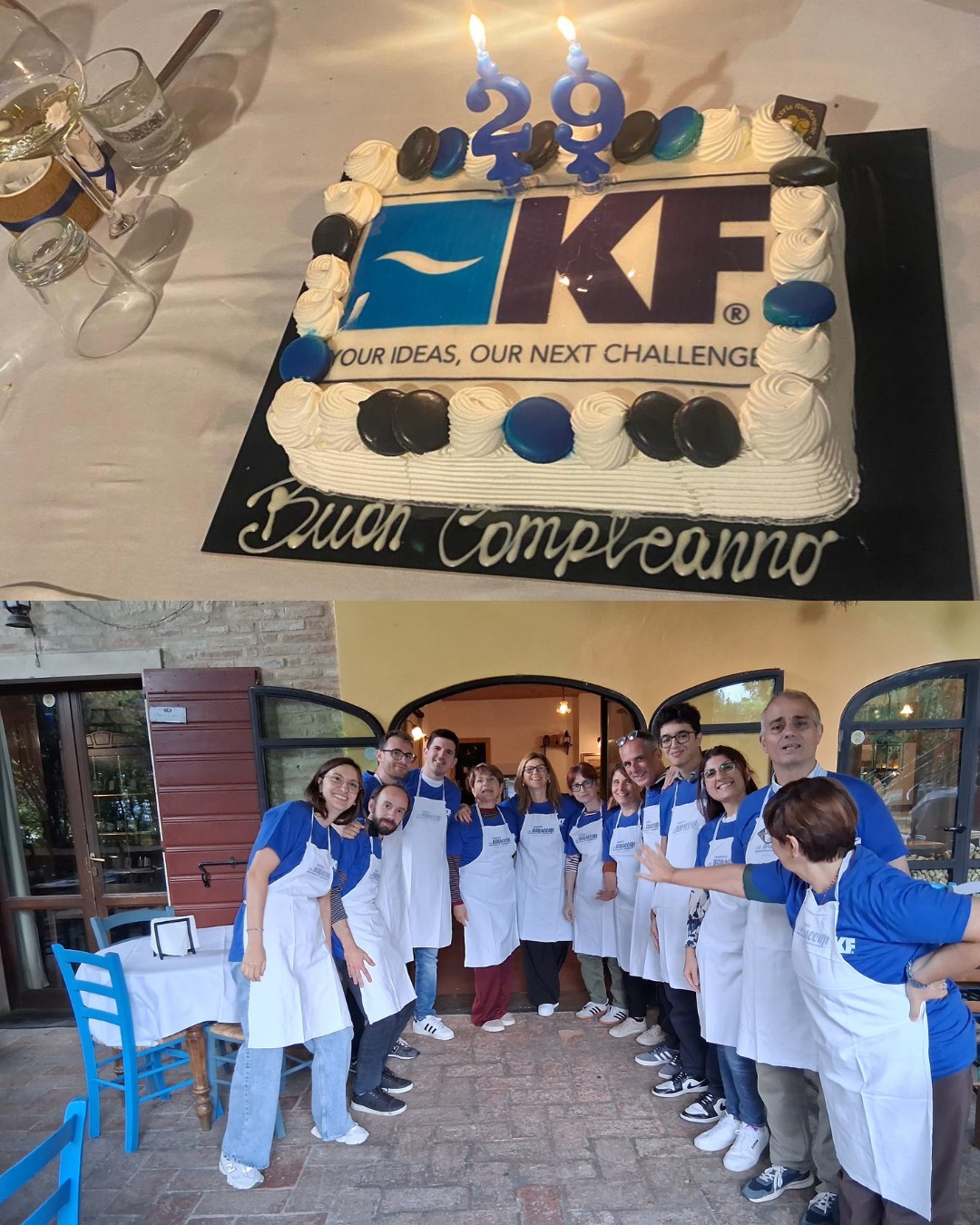
Key Future: 29 Years of Innovation, People and Shared Growth

Key Future: 29 Years of Innovation, People and Shared Growth

Key Future: 29 Years Of Innovation, People And Shared Growth – Immagine 1 Di 3Key Future: 29 Years Of Innovation, People And Shared Growth – Immagine 2 Di 3Key Future: 29 Years Of Innovation, People And Shared Growth – Immagine 3 Di 3

A Story Built on Technology, but Above All on People

Every anniversary represents a milestone. But for Key Future, it is also an opportunity to pause and look back at the journey so far and, above all, at the people who have helped shape it.

For 29 years, KF has been developing technological solutions for industrial applications, supporting the evolution of the market through innovation, expertise and the ability to adapt.

But a company’s growth is not measured solely by its products and results.

It is also built through relationships, collaboration and the ability to create a strong team.

An Anniversary to Celebrate Together

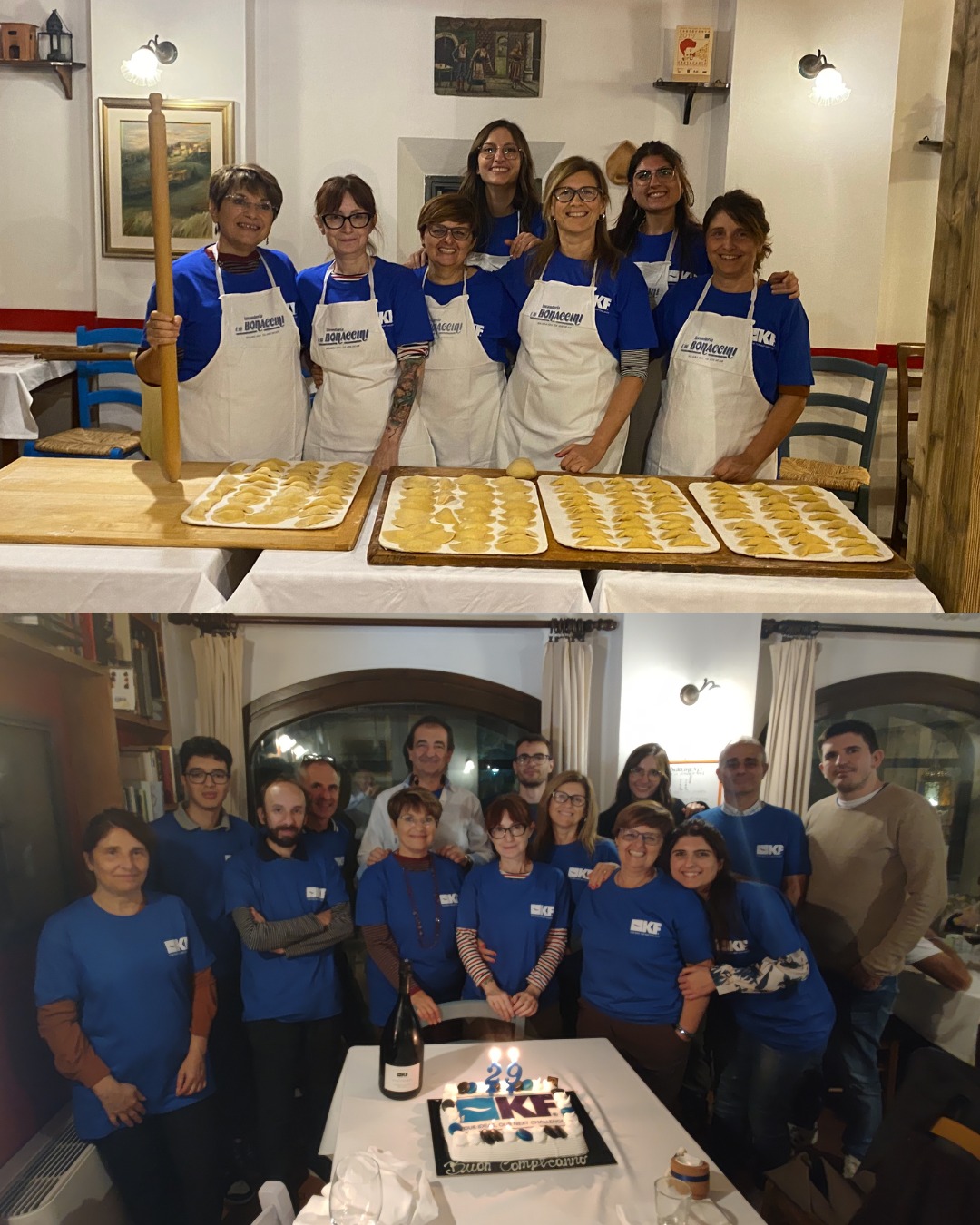
To celebrate this important milestone, Key Future chose to turn its anniversary into a moment dedicated to team building and sharing.

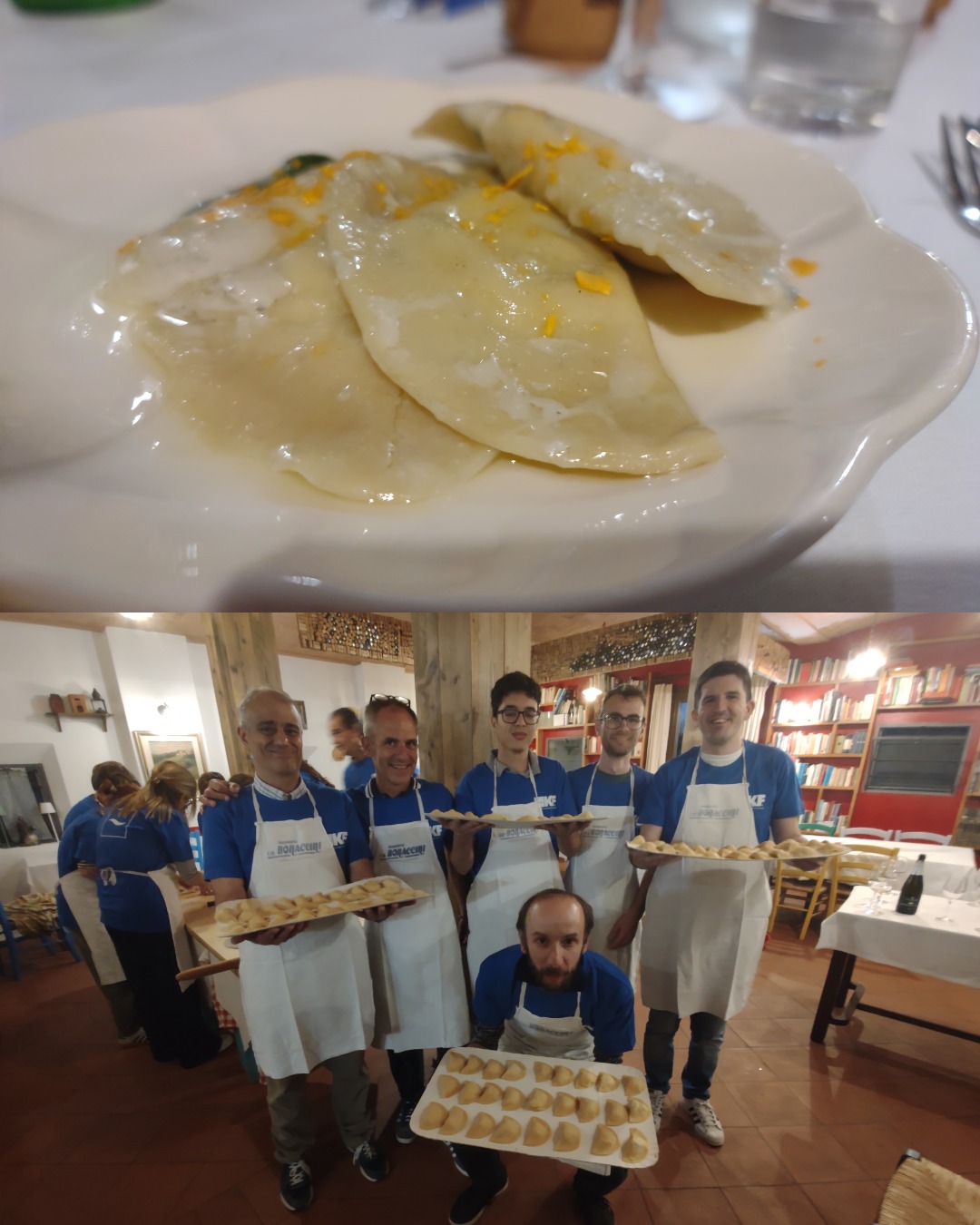
The experience brought people and skills together through an activity rooted in local tradition: making fresh pasta by hand.

A simple yet meaningful way to step outside the daily work routine, collaborate in a different setting and share a common experience.

Collaborating, Learning, Sharing

Activities like this help strengthen dynamics that are also essential in professional life: listening, collaboration, communication and the ability to work together towards a common goal.

But above all, they create an opportunity to get to know one another beyond professional roles and everyday responsibilities.

For KF, taking care of its people also means creating opportunities to feel part of a team, strengthening the relationships that make organisational growth possible.

Growth Is a Collective Story

Twenty-nine years represent a long history of evolution, but the future continues to be built day after day.

Technology, expertise and processes are fundamental. But behind every project there are always people who collaborate, share ideas and face new challenges together.

That is why celebrating an anniversary also means celebrating the team that made it possible.

Because growing together means going further, both as a company and as people.